
“When you least expect it, nature has cunninng ways of finding our weakest spot.””
Featured Reviews
Featured

“When you least expect it, nature has cunninng ways of finding our weakest spot.””
Courteney Cox is great, as she always is, and as always there is not nearly enough of her. This is a note I have been writing in the margins of these reviews from the beginning. More Gale Weathers. Always more Gale Weathers. This is not a negotiable position.
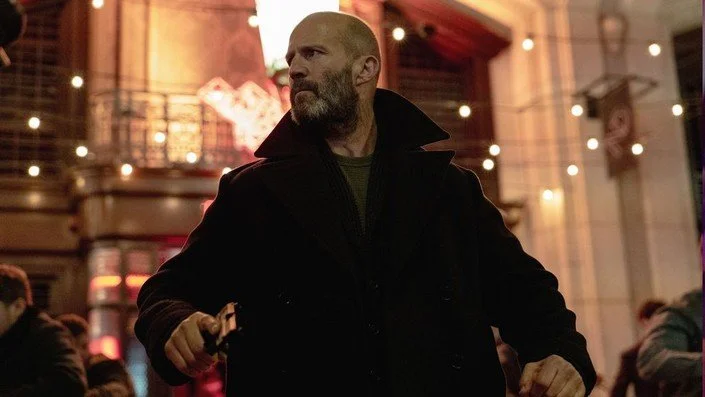
There is an unspoken agreement between Jason Statham and the ticket-buying public, and it has been running smoothly for about twenty years now. He shows up. He squints. He hurts a lot of people very efficiently. We go home satisfied. Nobody gets hurt. Shelter honors that contract fully and completely, which is both its greatest strength and its most limiting quality.
This movie made me audibly laugh. It made me audibly gasp. I nearly woke up my two-year-old, which is the highest possible review I can give anything that streams after 9 PM on a Tuesday. Director Ángel Manuel Soto — who proved with Blue Beetle that he understands spectacle and heart aren’t mutually exclusive — leans fully into the absurdity of the premise without ever condescending to the audience.
I’ll watch the third one. I already know I will. That’s the tax you pay for loving this genre.
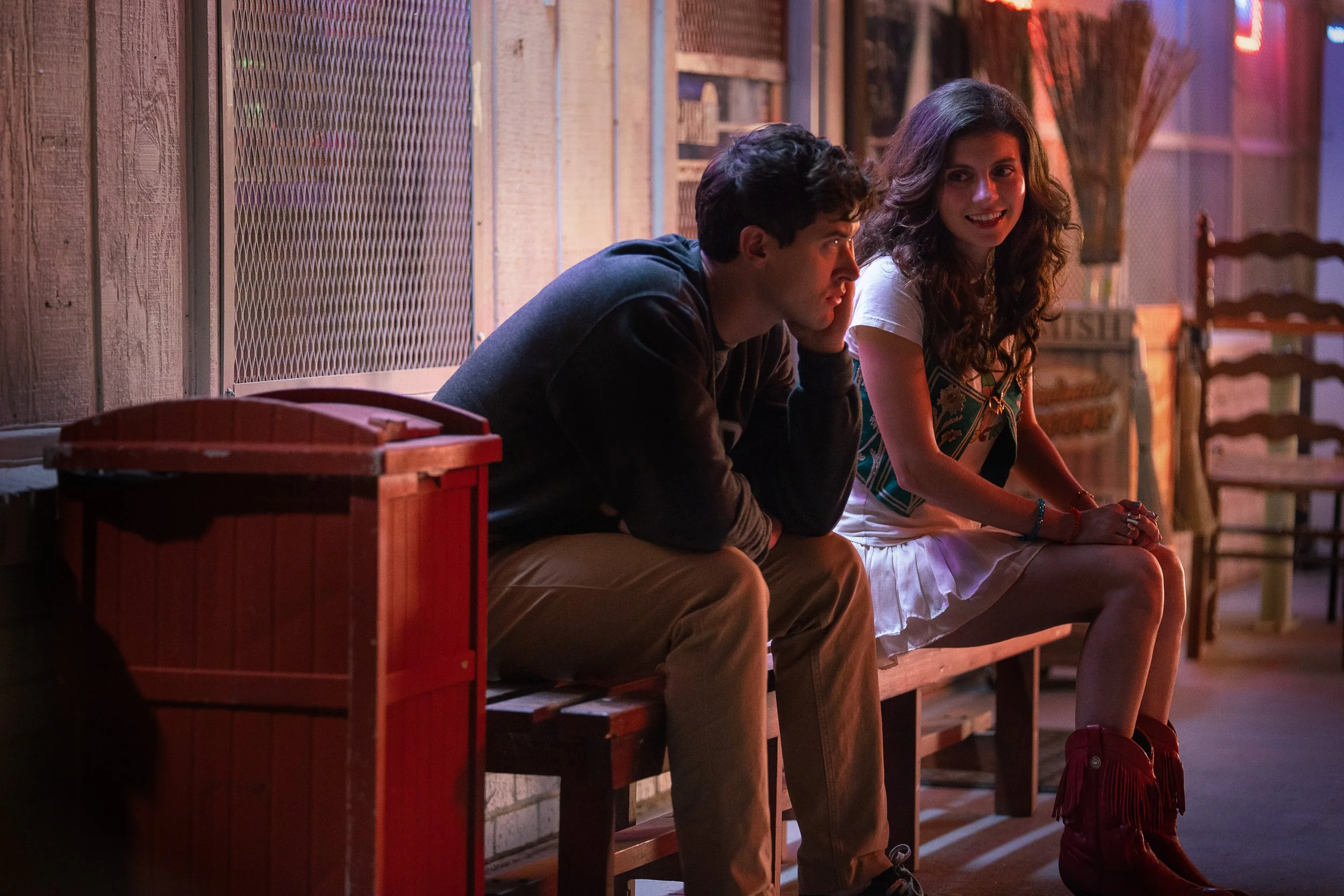
People We Meet On Vacation is a great new-age romcom — the kind that trusts its audience to sit with complicated feelings and wait for the payoff. Book readers will notice what’s missing. Everyone else will fall in love with what’s there.
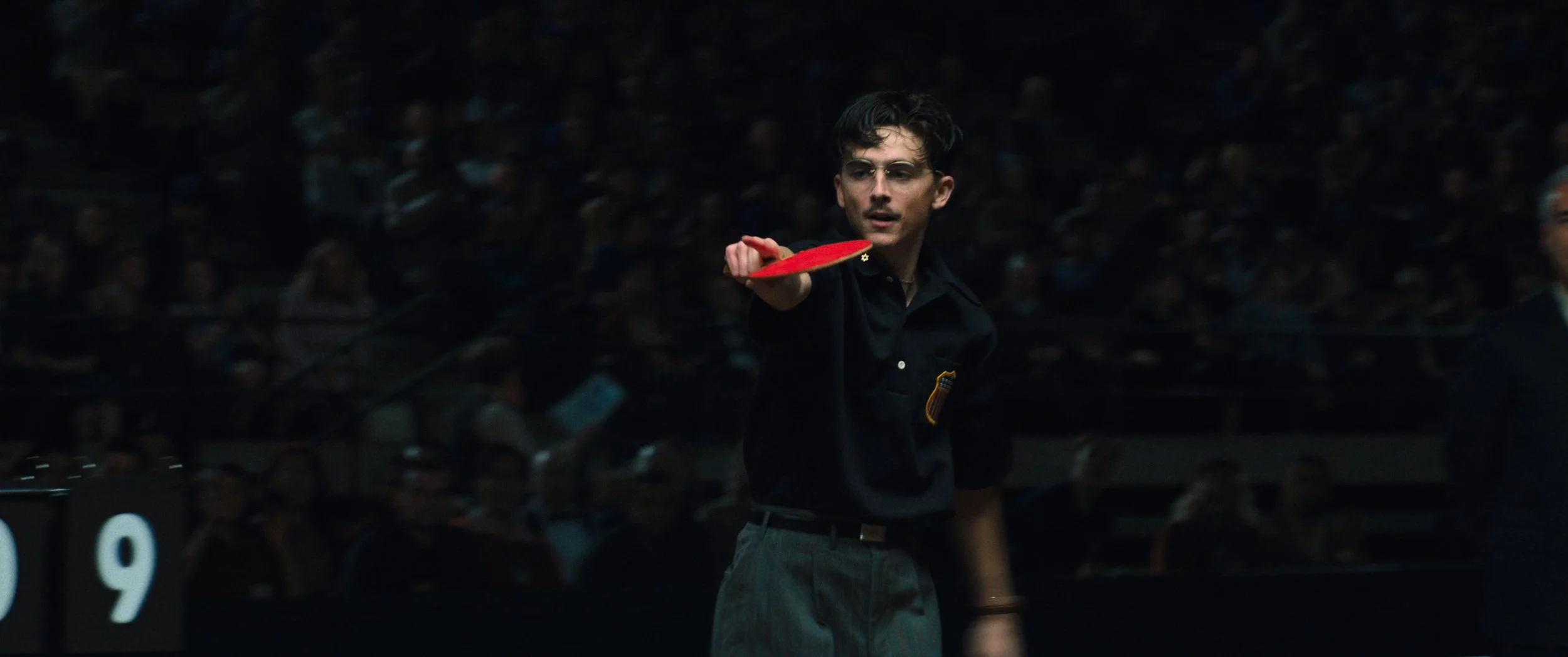
There’s a particular kind of exhaustion that comes from watching movies that want to be important but never quite earn it. Prestige without pulse. Ambition without blood. For the better part of the last few years, cinema has been stuck in that loop—well-made, well-acted, utterly forgettable. Marty Supreme breaks that cycle like a fist through glass. Josh Safdie’s film doesn’t politely ask for your attention; it hijacks it. This is a movie that hums, rattles, and eventually roars. It’s the first film in a long time that feels genuinely great—not because it aims for greatness, but because it refuses to settle for anything less than obsession.